Seoul planning
Seoul Markets and Street Food
A market visit works best when it serves the route and has a tasting plan. Choose one seated dish, one handheld snack, and one sweet finish rather than treating every visible stall as mandatory.
Choose the market by the day
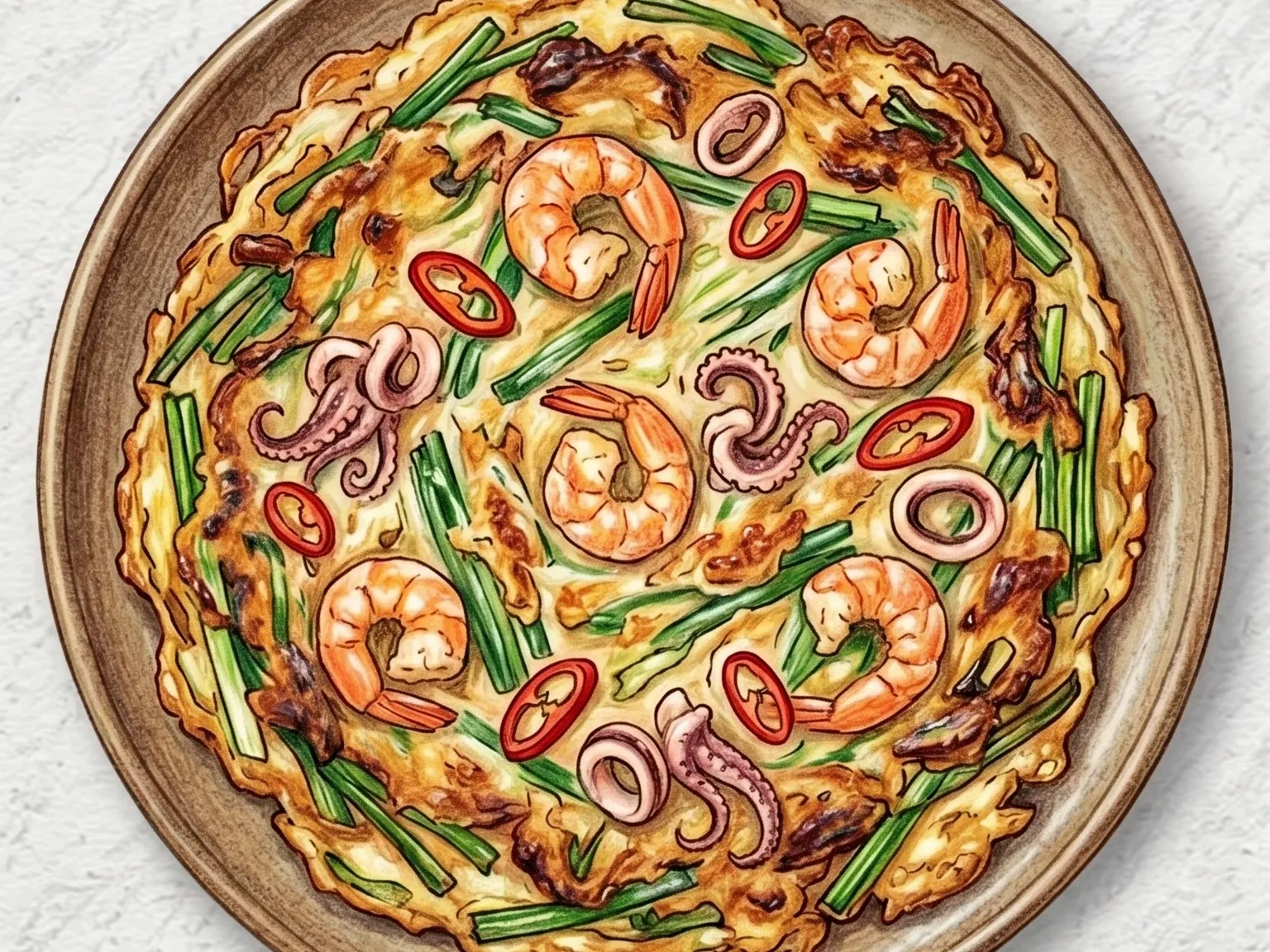
Gwangjang Market fits a Jongno palace or museum route. Its central food alleys make bindaetteok, mayak gimbap, noodles, dumplings, yukhoe, and sweets easy to compare in a compact area. Crowds are the main cost, so an off-peak visit is more comfortable than forcing a noon stop.
Namdaemun Market fits Myeongdong, Seoul Station, and Namsan. It supports both snacks and established meal alleys. Kalguksu, galchi jorim, mandu, hotteok, and packaged foods make it easier to build a full meal.
Mangwon Market belongs in a Mapo, Hongdae, or Han River day. The experience is more neighborhood-oriented, with prepared foods, fried items, side dishes, fruit, and takeaway choices that can continue to the park.
Street clusters such as Myeongdong are convenient for visible, fast snacks, but convenience and spectacle can matter more than depth. Use them when the location is already on the route.
Build contrast into the order
- Seated anchor: noodles, dumplings, porridge, raw beef, a pancake, or a braised dish.
- Handheld snack: gimbap, hotteok, skewers, bungeoppang, or a small fried item.
- Fresh or acidic reset: fruit, pickles, a light drink, or time before the next bite.
- Sweet finish: choose one item while it is hot rather than collecting several for later.
Pancakes, fried food, rice cakes, and dumplings become heavy together. Sharing portions exposes more textures without turning the market stop into a test of endurance.
When is the market the meal? If the group orders a full pancake, noodles, dumplings, or a substantial raw-beef dish, count the visit as lunch or dinner. If the goal is only one or two small snacks, schedule a separate meal.
Handle the practical details
Cashless payment is common, but individual stalls can differ. Carrying some cash removes uncertainty. Seating belongs to a stall or counter, so do not occupy it with food bought elsewhere unless the vendor allows it. Keep bags compact, stop outside the main walking line, and return trays or bowls as directed.
Opening hours vary by stall, and a market building can remain open while a specific vendor rests. Check a specific stall separately. For the market itself, a flexible list is safer than a single target.
Judge a stall with visible evidence
- Look for food cooked in steady, small batches.
- Prefer a clear price board and a defined queue.
- Check whether the specialty matches what is actively being prepared.
- Avoid using queue length alone as proof of quality.
- When the same item appears repeatedly, compare turnover, texture, and portion before choosing.
Set a stopping rule
Share the first two items and pause before ordering again. Market portions are hard to judge from the display, and a full stomach turns the final choices into waste. Stop when the next item would repeat the same fried, sweet, or starchy role. Leaving one dish untried gives the next visit a purpose.
Find current market-area choices
Korea Eats continues with restaurant candidates. This guide remains the planning layer.
Planning a guided food activity? Compare a market food tour with a cooking class by language, meeting point and participation conditions.