Korean cooking
Five Easy Korean Dinner Patterns
Weeknight cooking becomes easier when the structure repeats and only the ingredients change. These five patterns use rice, a pot, a bowl of noodles, one pan, or planned leftovers to produce a complete direction before a recipe is chosen.
1. The mixed rice bowl
Start with hot rice, add two or three vegetables, one protein or egg, and a sauce. The ingredients can be warm, cold, raw, blanched, or leftover. The bowl works because sauce and rice connect components that do not need to be cooked together.
Use gochujang sauce for bibimbap, soy and sesame for a milder bowl, or kimchi and a fried egg for the shortest route. Keep one ingredient crisp so the bowl does not become uniformly soft.
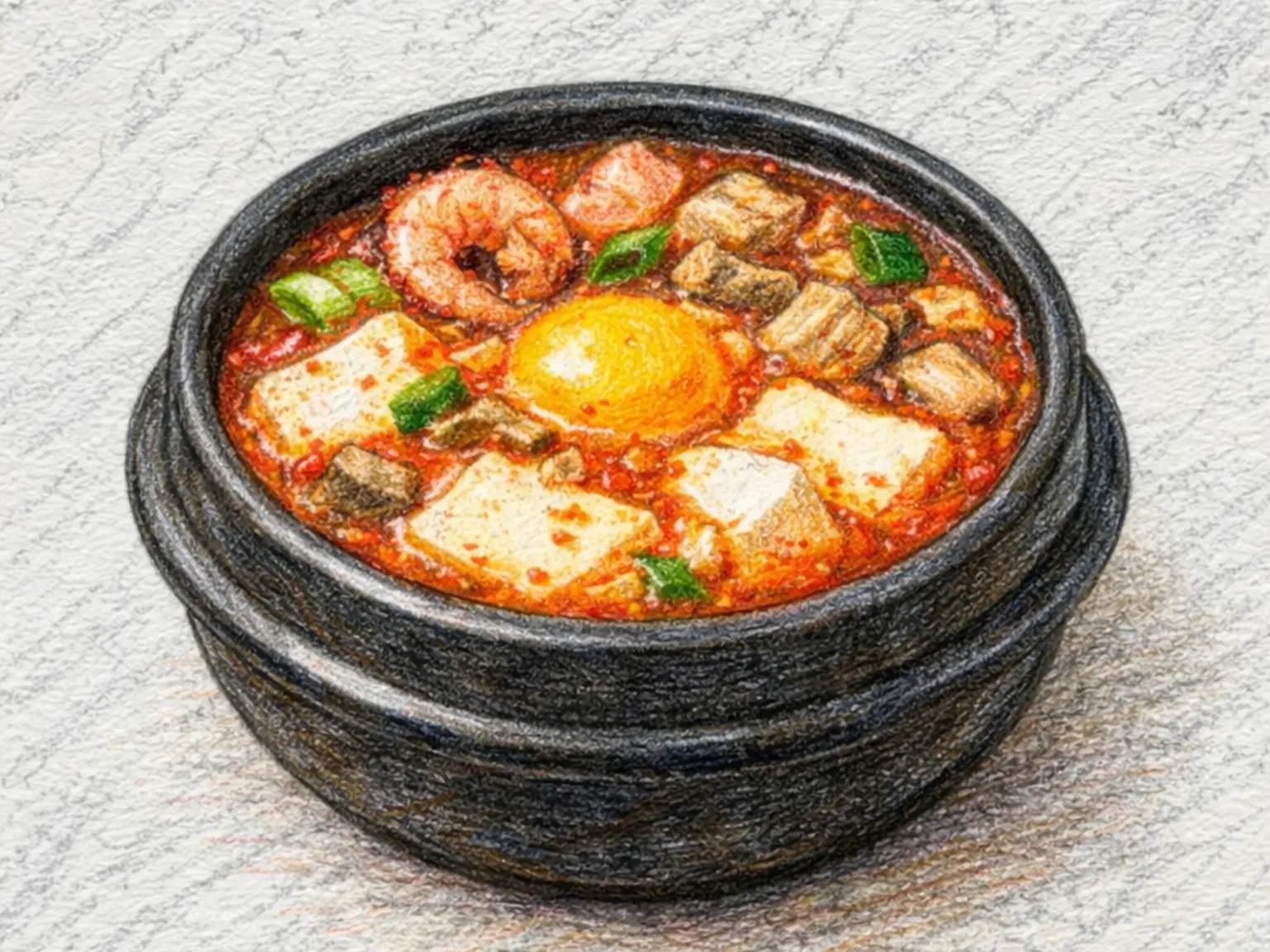
2. The one-pot stew
Choose kimchi, doenjang, or soft tofu as the base. Add an aromatic, one protein, one vegetable, and enough broth to support rice. A stew carries dinner when the refrigerator has small amounts of several ingredients but no obvious main dish.
Cook the base and tough ingredients first. Tofu, zucchini, mushrooms, scallions, and eggs enter later. Taste after the fermented seasoning has fully dissolved.
3. The noodle plus one side
Use bibim-guksu or cold noodles when the kitchen is hot. Use kalguksu, ramyeon, or a simple anchovy-broth noodle when warmth matters. Add dumplings, rolled egg, or cucumber rather than preparing a second main dish.
Noodles punish delay, so finish the sauce and garnishes before boiling them. Rinse cold noodles immediately and move hot noodles straight into the serving bowl.
4. The pan meal
Stir-fry sliced pork, chicken, beef, tofu, or mushrooms with onion and cabbage. Choose one seasoning direction: soy and garlic, gochujang and gochugaru, or salt and sesame. Serve with rice and kimchi.
Cook in batches if the pan is small. Browning requires space, while a crowded pan traps steam. Add sugary marinades late enough to prevent burning.
5. The planned leftovers dinner
Transform one strong leftover rather than combining everything. Mature kimchi becomes fried rice or stew. Banchan becomes a bibimbap set. Cooked meat becomes a noodle topping or lettuce wrap. Extra rice becomes fried rice only after it has cooled enough to separate.
The planning question: what is the one ingredient that must be used tonight? Choose the dinner pattern around that ingredient, then add only what the pattern lacks.
A twenty-minute sequence
- Start rice, broth, or noodle water.
- Choose the dominant seasoning.
- Cut the ingredient with the longest cooking time first.
- Prepare raw garnish and side dishes before the hot phase.
- Cook the main component.
- Taste for salt, acid, heat, and texture once, in that order.
Substitute by role
Replace spinach with another quick-cooking green, pork with tofu or mushrooms, and anchovy broth with another recipe-approved base. Do not substitute only by color or shape. Match water content, cooking time, fat, and salt contribution.
A recipe remains the source for exact quantities and food-safe cooking. The pattern helps select the recipe and organize the meal.
Choose an exact recipe
Use Charim once the dinner pattern and main ingredient are clear.