Korean cooking
Kimchi by Use, Not Just Type
The most useful kimchi distinction is often fermentation stage. Crisp, young kimchi belongs beside a meal. Sour, mature kimchi has the acidity and softened structure that make fried rice, stew, pancakes, and braises taste complete.
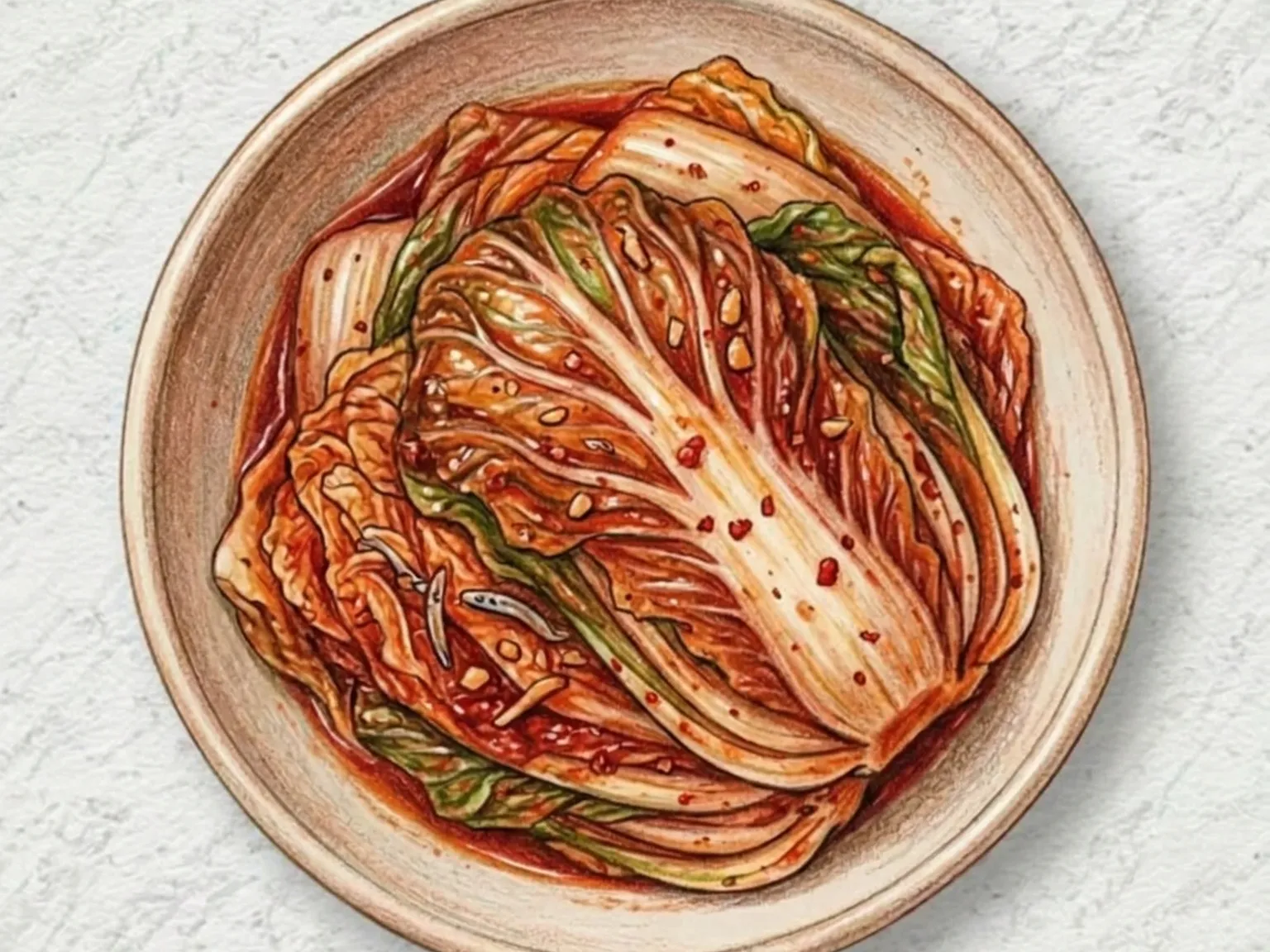
Start with fermentation stage
Fresh kimchi has a crisp vegetable bite and a brighter seasoning. Eat it with rice, grilled meat, bossam, or mild soup. Cooking can flatten the qualities that make it appealing.
Moderately fermented kimchi balances crunch, acidity, and savory depth. It can sit on the table or enter noodles, dumplings, and quick stir-fries.
Well-aged kimchi tastes noticeably sour and its leaves bend easily. This is the first choice for kimchi jjigae, kimchi fried rice, kimchi jeon, braised pork, and grilled kimchi. Heat turns its acidity into structure for the whole dish.
Choose the type by texture
- Baechu kimchi: napa cabbage with layered leaves. It is the broadest option for both table service and cooking.
- Kkakdugi: radish cubes with a firm, juicy bite. It works especially well beside rich beef soups.
- Oi sobagi: stuffed cucumber kimchi. Its fresh crunch suits immediate eating more than long cooking.
- Pa kimchi: scallion kimchi with a strong aromatic edge. It pairs with rice and grilled meat.
- Baek kimchi: a mild, pale kimchi with a clean broth and little or no red pepper. It provides acidity without strong heat.
- Yeolmu kimchi: young radish greens, often served with noodles or rice in warm weather.
Fast match: fresh and crisp goes beside the meal. Sour and pliable goes into the pan or pot. Radish kimchi goes beside rich broth. Watery or mild kimchi cools a spicy table.
Cook aged kimchi with enough fat
Acidic kimchi benefits from pork fat, sesame oil, canned tuna, anchovy broth, or another savory base. Frying the kimchi briefly before adding rice or liquid rounds the raw sour edge. A small amount of sugar can correct a harsh batch, but sweetness should not erase the acidity.
For fried rice, squeeze or drain excess liquid so the grains fry rather than steam. Add kimchi liquid back in small amounts for color and seasoning. For stew, the liquid can enter earlier because the broth needs it.
Store for control
Keep kimchi refrigerated in a closed container with room for fermentation gases. Use clean utensils and press the vegetables back toward the brine after serving. A colder section slows change; a warmer refrigerator zone moves the flavor toward sour more quickly.
If a batch is becoming too sour for the table, label it for cooking instead of discarding it. The shift is a change of use, not automatically a failure.
Match intensity across the meal
A strong kimchi does not need another strongly seasoned partner in every bite. Pair sour aged cabbage with plain rice, tofu, eggs, or mild meat. Put crisp young kimchi beside a rich soup or grilled pork. When several kimchi types share the table, choose different vegetables or fermentation stages so each one has a distinct job.
Move from choice to recipe
Charim provides exact recipes that make or use fresh and mature kimchi.