Food decisions
Choose Korean Seafood by Cooking Method
A seafood restaurant is not one category of meal. Raw fish, grilled fish, spicy braises, clear soups, shellfish grills, and fish-market service require different budgets, group sizes, and expectations.
Choose the format first
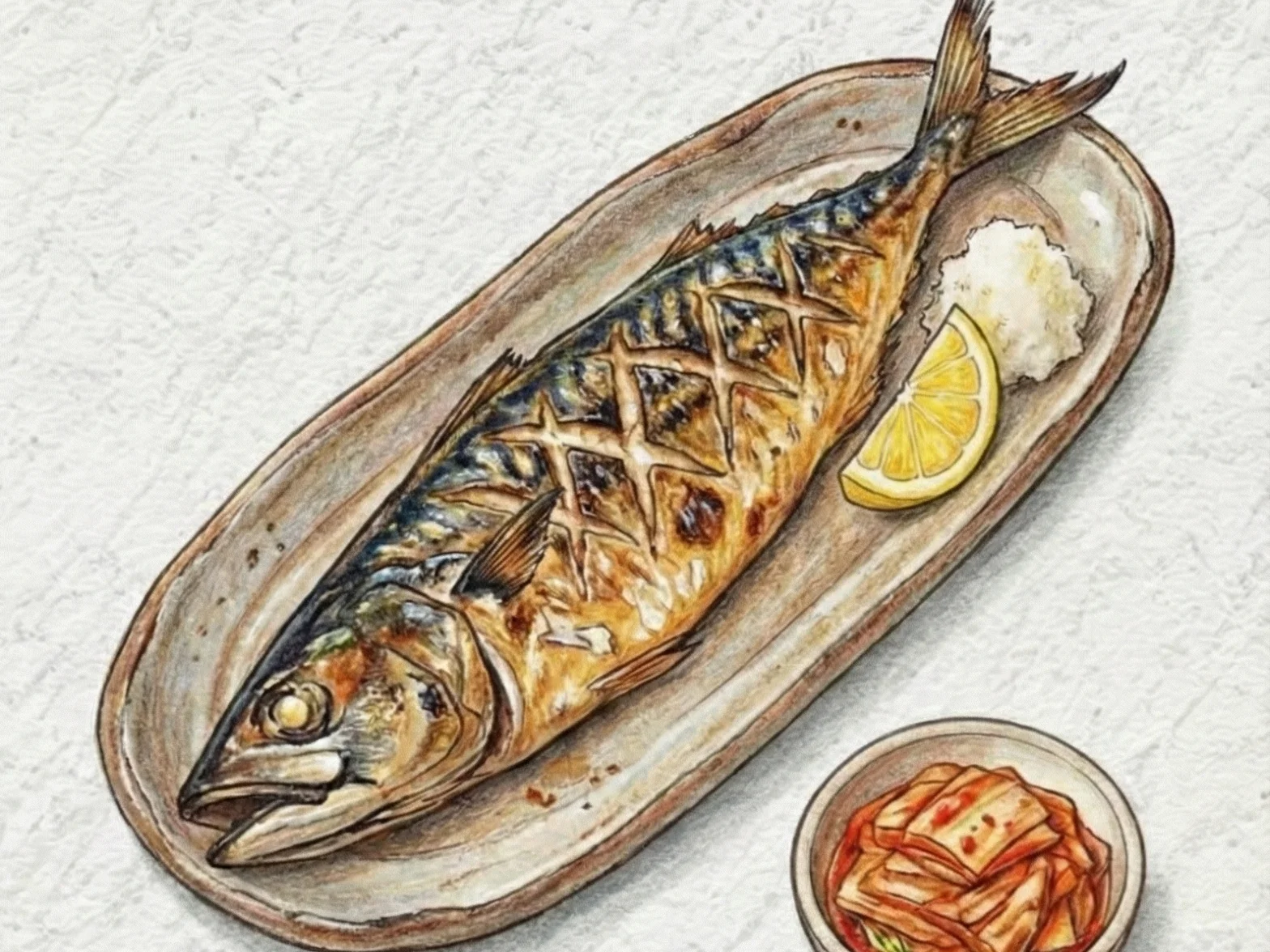
Gui, grilled fish, is the easiest entry point. Mackerel, hairtail, croaker, and other fish may be served whole with rice, soup, kimchi, and banchan. Expect bones and use chopsticks to lift flesh away from the spine. A grilled-fish set meal works well for one person and makes pricing easier to understand.
Jorim, braised fish, cooks fish with radish and a soy-based or spicy sauce. Galchi jorim and godeungeo jorim are stronger and saucier than grilled fish. Order them when rice and a shared main dish are the point of the meal.
Tang and jjigae place seafood in broth. Maeuntang is a spicy fish soup, while clam, crab, pollock, and soft-tofu soups vary in heat and richness. Ask whether the listed size serves one person or a group.
Hoe, sliced raw fish, centers texture and freshness rather than heavy seasoning. It may arrive with leafy wraps, garlic, chili, soy sauce, wasabi, and vinegared red chili paste. The remaining head and bones can sometimes become maeuntang for an additional charge.
Jogae gui or jjim, grilled or steamed shellfish, is usually a group meal. Confirm whether the price is per tray, per person, or by weight before ordering.
Quick rule: choose grilled fish for a simple set meal, braised fish for rice and sauce, soup for warmth, raw fish for texture, and shellfish for a shared social meal.
Understand the fish-market system
At some Korean seafood markets, buying the fish and eating it are two transactions. A vendor sells and prepares the fish. A nearby dining room provides seating, plates, sauces, vegetables, and service for a separate table charge. Soup, rice, drinks, and extra side dishes may also be billed separately.
- Ask the fish price and weight before agreeing.
- Ask what preparation is included and where the dining room is.
- Confirm the table charge and minimum order upstairs.
- Ask whether maeuntang is included or costs extra.
- Keep both receipts until the meal is complete.
A market can be a useful food experience, but a fixed-price restaurant is often easier when the group is small or nobody wants to negotiate weight and service.
Match the coast to the trip
- Busan: Jagalchi and other markets make live fish, raw fish, grilled eel, fish cake, and pork soup easy to combine with a port-city itinerary.
- Sokcho and the east coast: raw fish, squid, snow crab, grilled fish, and local cold noodles fit a coastal or Seoraksan route.
- South coast: Tongyeong oysters, Yeosu pike eel, Wando abalone and seaweed, and coastal crab or octopus dishes reflect local harvests.
- Jeju: grilled or braised hairtail, mackerel sashimi, abalone, and seaweed dishes provide alternatives to black pork.
- Seoul: use a grilled-fish alley, seafood market, or specialist restaurant according to format. The city can reproduce the meal, but not the coastal route around it.
Safety and comfort checks
Raw seafood carries more risk than cooked seafood, especially for pregnant people, young children, older adults, and anyone with a weakened immune system. Choose cooked dishes when risk tolerance is low. For shellfish allergy, ask about shared stock, grills, fryers, and utensils. For whole fish, slow down around small bones rather than mixing the flesh into rice immediately.
Continue to seafood candidates
Use Korea Eats after choosing raw, grilled, braised, or soup. Use the regional guide if the coast is still undecided.