Food decisions
Vegetarian Korean Food Without Guessing
A dish can look vegetable-centered and still contain anchovy stock, fish sauce, salted shrimp, meat broth, egg, or a meat garnish. Choose formats with visible ingredients, then ask about the base seasonings.
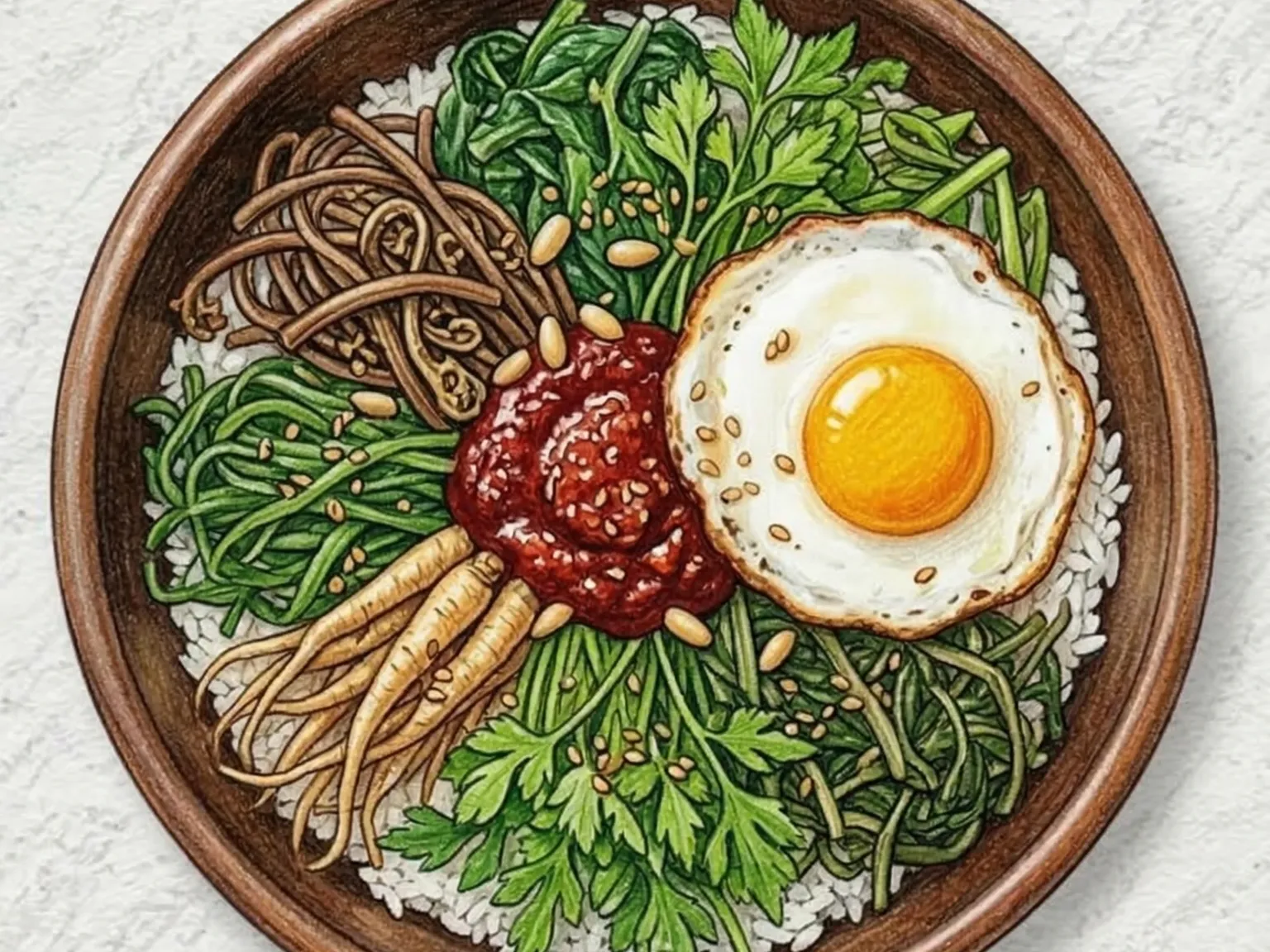
Separate vegetable-forward from vegetarian
Many Korean meals place vegetables at the center of the table, but that does not define the stock or seasoning. Kimchi may use fish sauce or salted shrimp. Namul may be vegetarian, while the soup beside it uses anchovies or beef. Tofu stew may contain seafood stock even when no seafood is visible. Treat the base as a separate question from the toppings.
Temple food is the clearest distinct category. Korean Buddhist temple cuisine centers grains, vegetables, mushrooms, seaweed, legumes, and natural seasonings. It also commonly avoids the five pungent vegetables used in many everyday Korean dishes. A temple-food restaurant is therefore a different promise from a conventional restaurant offering one vegetable menu item.
Quick rule: identify four layers before ordering: visible meat or seafood, broth, fermented seasoning, and egg or dairy. If a medical allergy is involved, use an allergy card and ask about shared cooking surfaces as well.
Formats that are easier to adapt
- Sanchae bibimbap: mountain vegetables and rice provide a useful base. Ask to remove meat and egg, and confirm whether the sauce or accompanying soup contains animal ingredients.
- Vegetable bibimbap: the toppings are visible, which makes changes easier. Dolsot versions arrive very hot and may cook a raw egg on contact, so request its removal before the bowl is assembled.
- Tofu and mushroom dishes: dubu jorim, grilled tofu, mushroom dishes, and some jeon can work, but stock and batter still need checking.
- Namul and banchan: order several only after confirming fish sauce, salted shrimp, anchovy stock, and meat garnish. A vegetable name alone is not enough.
- Temple set meals: these provide the lowest-friction way to explore several Korean vegetable preparations in one sitting.
Ingredients to ask about
Useful Korean terms include gogi (고기, meat), saengseon (생선, fish), haemul (해물, seafood), gyeran (계란, egg), myeolchi yuksu (멸치육수, anchovy stock), aekjeot (액젓, fish sauce), jeotgal (젓갈, salted seafood), and saeujeot (새우젓, salted shrimp).
A concise request is more reliable than a long explanation: Gogi, saengseon, haemul, gyeran eopsi ganeunghal-kkayo? asks whether the dish can be made without meat, fish, seafood, or egg. Follow with Myeolchi yuksu-na aekjeot-do an dwaeyo when anchovy stock and fish sauce must also be excluded. Staff may still need to check with the kitchen.
Build a complete meal
A dependable meal still needs rice or noodles, protein, vegetables, and enough seasoning. Pair rice with tofu, beans, or mushrooms rather than relying on plain vegetables alone. Add two contrasting banchan, such as a cooked green and a crisp or pickled vegetable. Choose a sauce only after checking its fermented seafood ingredients.
- Find a vegetarian, vegan, or temple-food restaurant when strict separation matters.
- At a conventional restaurant, choose a dish with visible components and limited substitutions.
- Ask about stock and seasoning before asking to remove a garnish.
- Confirm the accompanying soup and kimchi separately.
- For severe allergies, avoid assuming that a verbal modification removes cross-contact risk.
Continue with restaurant or recipe choices
Use Korea Eats to compare lighter meal candidates. Use the rice-bowl guide when assembling a flexible meal at home.